Travel Guides
Guide Contents
Jump to a section
Welcome
Everyone told me to stay in Positano.
This is not a tour-group itinerary. It’s a guide for independent travelers; the planners, the wanderers, the women who go solo, the ones who want to know which ferry to take and where the locals actually eat. If that’s you, keep reading.
Free Bonus
Planning your own Amalfi Coast adventure?
Join the Tasted & Traveled newsletter and I’ll send you my FREE Amalfi Coast Planning Toolkit.
- Pre-departure checklist
- Packing checklist
- Transportation tips
- Essential apps
- My personal planning recommendations
Subscribe using the form below and I’ll send the toolkit straight to your inbox.
Where to stay
Why Praiano Wins
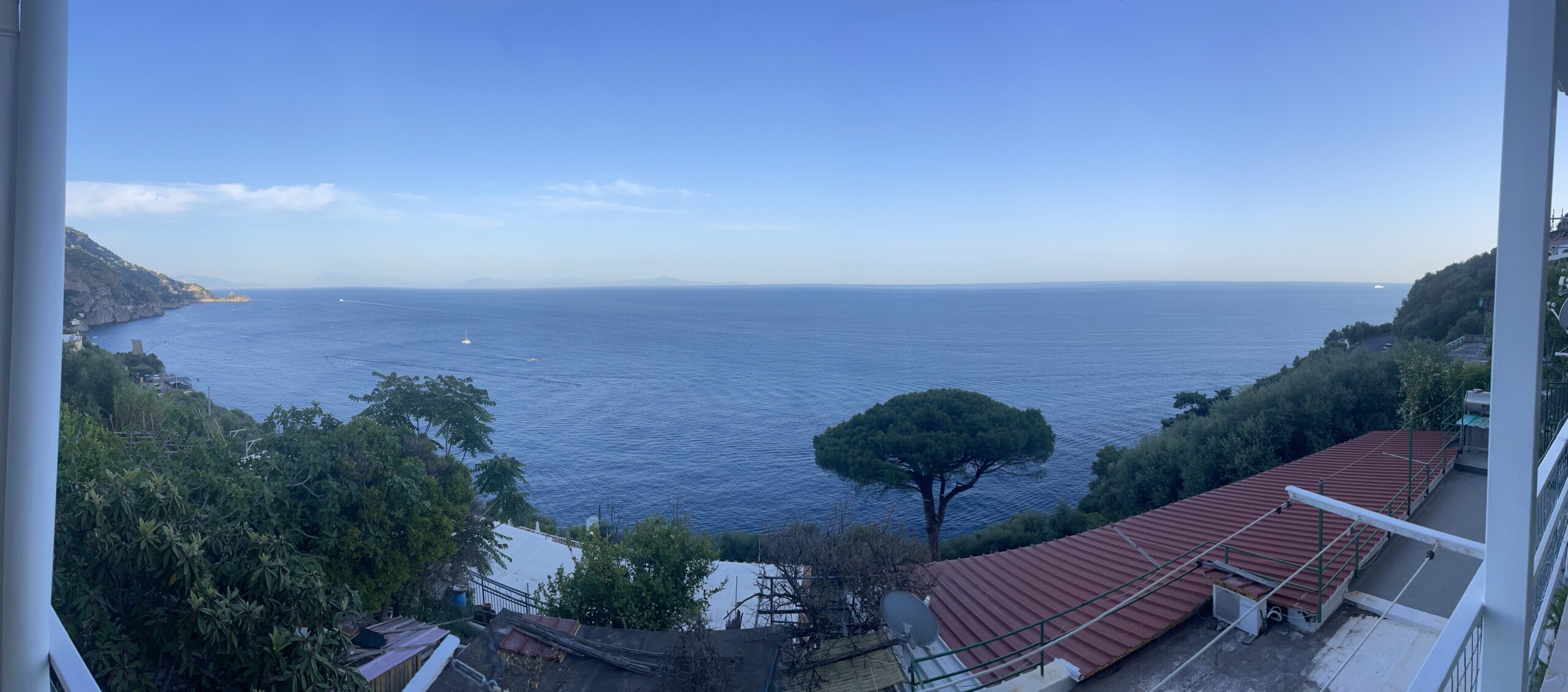
Positano is gorgeous; the boutiques, the pastel houses tumbling to the water. It also comes with the price tag and the crowds to match. And if you want to catch a ferry? Budget an extra 10–15 minutes to walk down to the terminal. Amalfi town is more rustic, less polished — in a way that actually makes it feel more approachable. Sorrento works well as an entry or exit point, but as a base for the coast itself, you’ll spend a lot of time in transit. Praiano has something harder to find: the feeling that you’re actually living on the Amalfi Coast rather than visiting it. Quieter at night, easier on your budget, more central than most people realize. And there’s a corner store where the locals actually shop, the kind of place where you can pick up everything you need if you decide to cook at your Airbnb and have a quiet night in. On a coast this full-on, that option is more valuable than it sounds.
Stairs are a fact of life everywhere, and Praiano is no different. The climb from some Airbnbs up to the main road can easily be 100 steps or more; beautiful, but worth knowing before you’ve spent a full day out and have to decide whether you really want to go to dinner. Make proximity to your bus stop part of your booking criteria. I specifically chose my Airbnb based partly on its distance to the nearest stop, a five-minute walk. On a coast where every step counts, that planning pays off.
It’s also worth knowing that the coast has some quieter gems that often get overlooked entirely. Minori, Maiori, and Atrani are all walkable from Amalfi and each has its own charm.
Before you arrive
Start with Pompeii
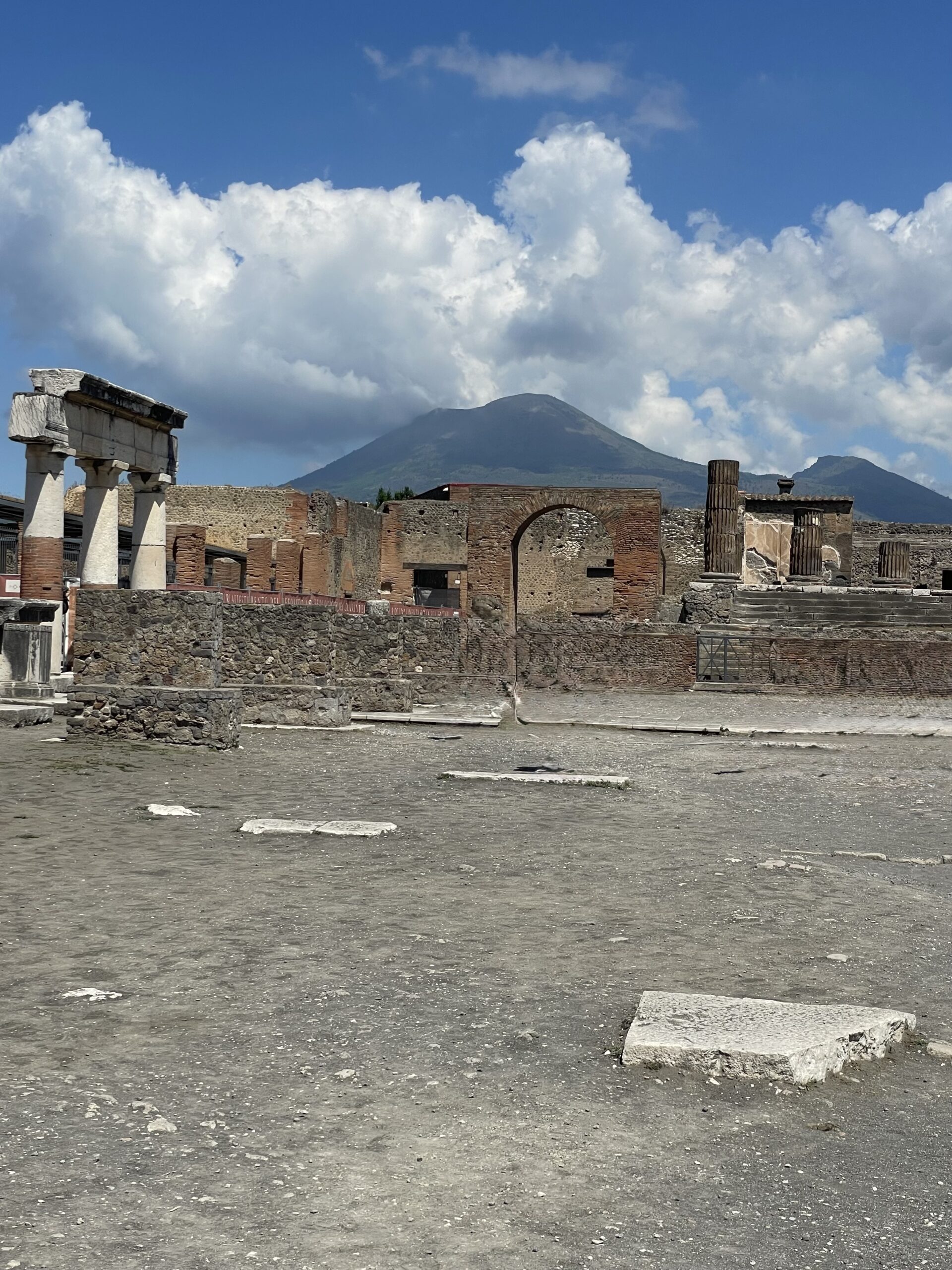
If you’re flying into Naples, Pompeii is a natural first stop before heading to the coast, and it’s worth every minute. Go early, before the heat builds and the crowds arrive. Hiring a guide is absolutely worth it; ours was a retired professor and a genuine wealth of knowledge. Without a guide, it’s easy to walk through and not fully grasp what you’re seeing. With one, it comes alive.
A mechanical issue turned my Paris to Naples flight around mid-air and sent me back to Charles de Gaulle. I lost four hours. Because I always build an empty day into any itinerary, I didn’t lose a thing; Pompeii ended up fitting in perfectly. Build that buffer. The coast rewards the prepared traveler.
Itinerary
Day-by-day plan
Arrive, breathe, and let the coast come to you. Praiano rewards slow exploration.
Visit in the morning. By afternoon the crowds arrive and the magic dims considerably.
Amalfi is where you slow down and people-watch. And where you eat the best gnocchi of your life.
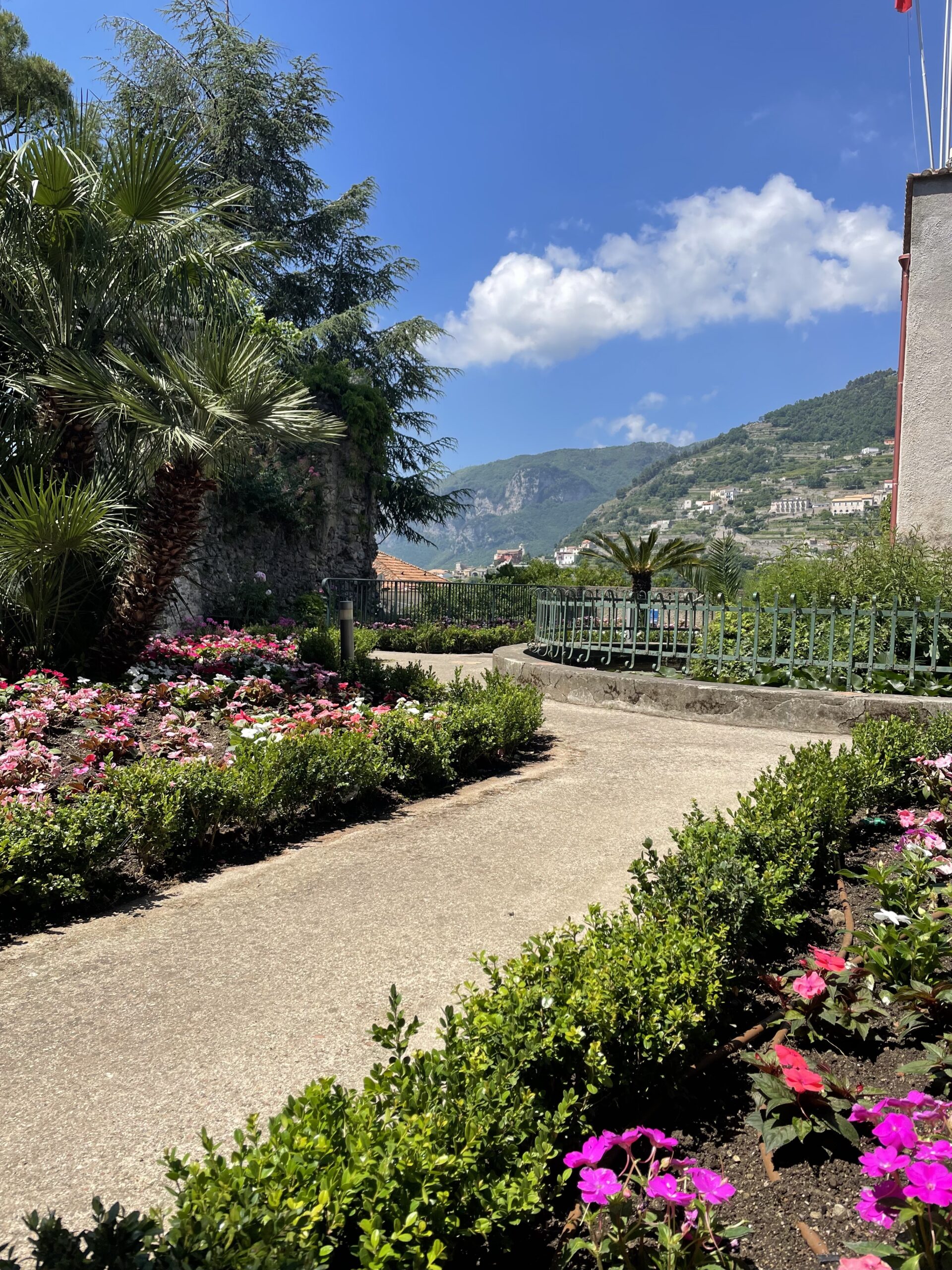
DO NOT SKIP THIS. Ravello is my favorite place on the entire coast.
Capri deserves a full day minimum; I only managed a half day and barely scratched the surface.
The spots most people drive past. Don’t be most people.
For the food lovers
Cooking schools worth knowing about

A cooking class is one of the most popular things to do on the Amalfi Coast, and for good reason. You leave with something you’ll actually use at home. I looked into several schools before booking, and a few things drew me to Amalfi Heaven Gardens specifically: something about it just felt right, and practically speaking, Amalfi is the most convenient stop from Praiano, which matters when you’re planning a full day out. That said, the other schools below are all well-regarded, and the right choice really depends on where you’re based and what you want out of the experience.
For those with good shoes
Walks & hikes worth doing
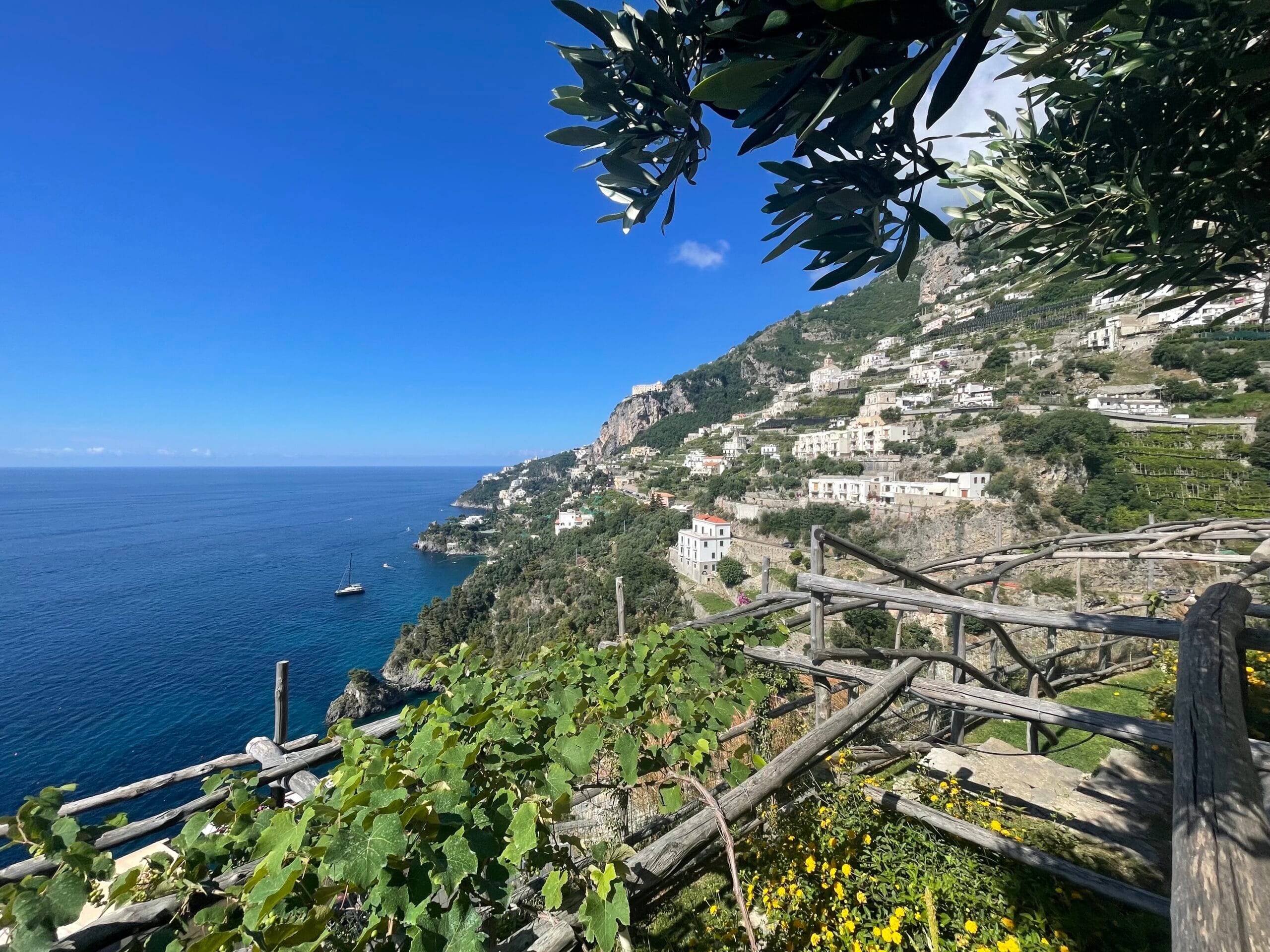
Walking is part of the experience, but go in with realistic expectations. Stairs and steep hills are everywhere. Comfortable, broken-in shoes are non-negotiable on this coast.
A former chef’s honest picks
Where to eat
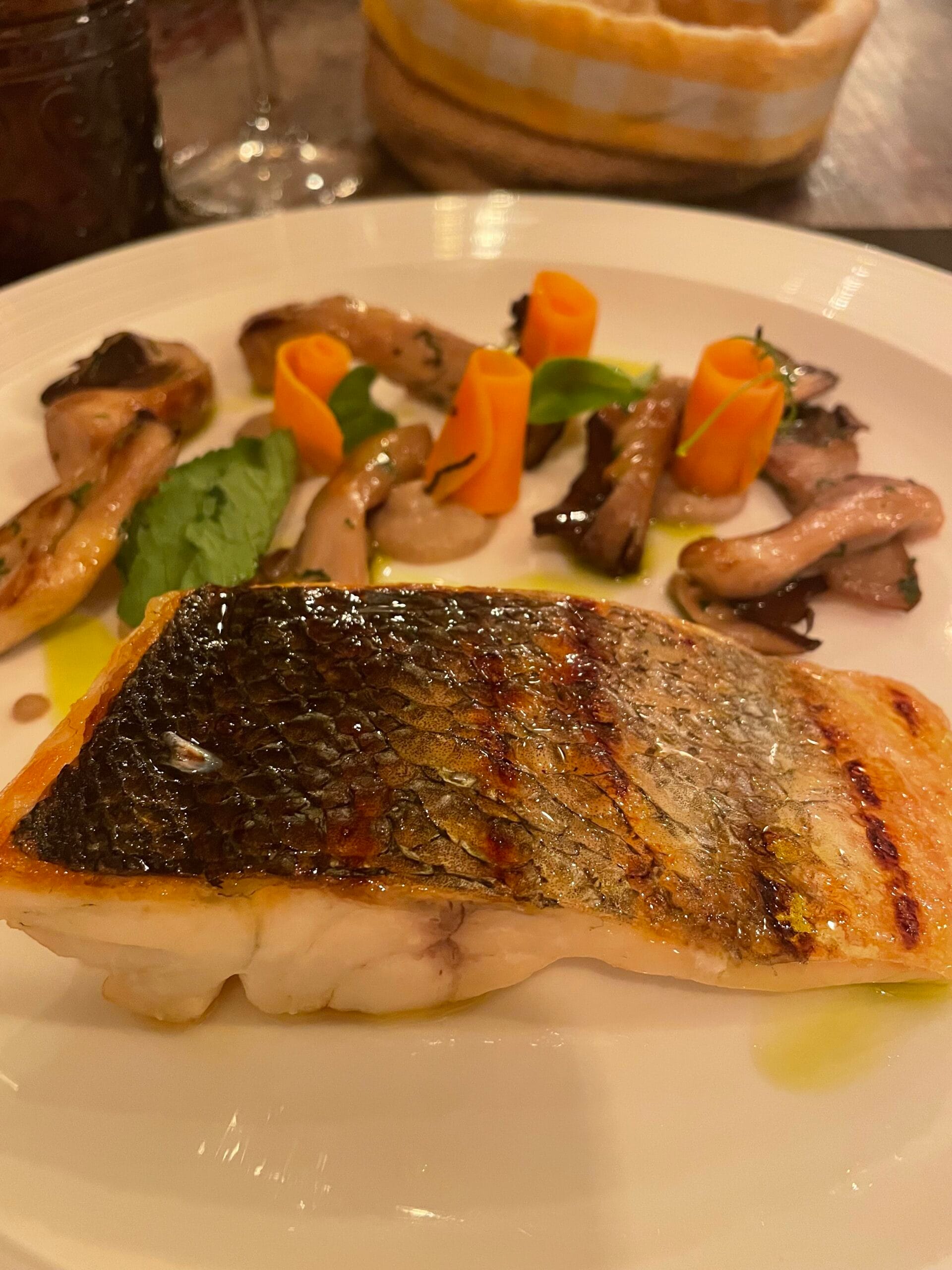
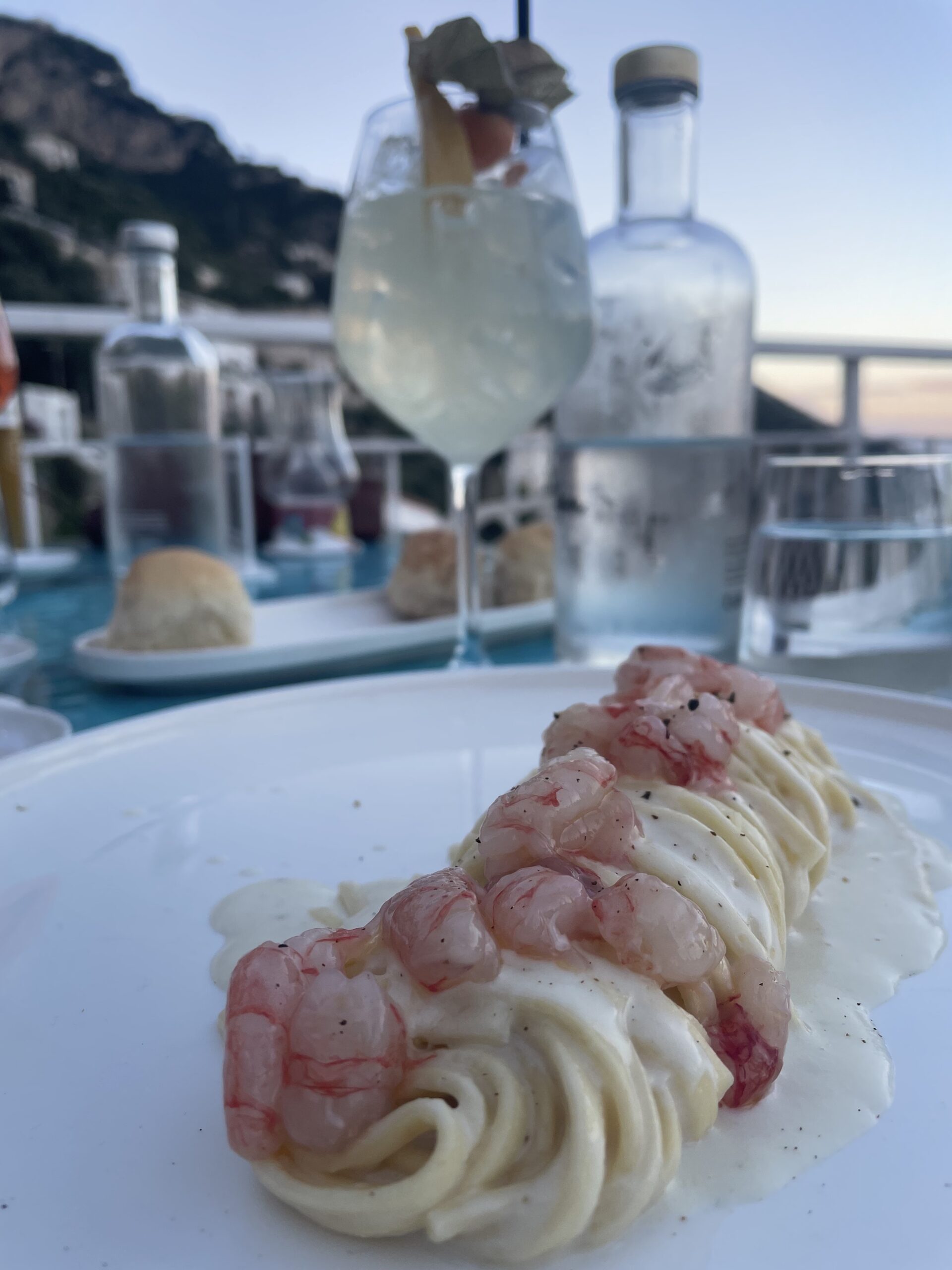
Let me be direct: the Amalfi Coast is not the place to play it safe with food. The seafood is pulled from the water right in front of you, the tomatoes are San Marzano grown in the shadow of Vesuvius, and the pasta is made by people who learned from their grandmothers. Eat accordingly. Order seafood — always. It’s fresh, it’s regional, and it’s what this coast does better than anywhere else. For pasta, lean toward lighter broths or tomato-based sauces rather than heavy cream — you’re close to Naples here, and the simplicity is the point. Avoid anyone standing at the door trying to wave you in; laminated menus, no locals in sight, photos of every dish. Walk past.
Practical planning
What you need to know
Before you go
Want the printable planning toolkit?
If this guide helped you start dreaming about the Amalfi Coast, the toolkit will help you actually plan it.
- What to pack
- What to book before you leave
- How to navigate buses, ferries, and drivers
- Which apps to download before your flight
Join the Tasted & Traveled newsletter and I’ll send you my FREE Amalfi Coast Planning Toolkit.
The coast will meet you there.
I wasn’t prepared for the urgency. Not the pace of the trip, but the feeling, almost immediate, that I needed to find a way back. That’s what the Amalfi Coast does to you.
If you’re planning your own Amalfi Coast adventure, don’t leave without grabbing my free Amalfi Coast Planning Toolkit. It includes my packing list, transportation cheat sheet, essential travel apps, booking timeline, and personal planning tips.
© Tasted & Traveled. Please don’t share or reproduce without permission. · Tag me @tastedandtraveled when you use this guide!