How Four Copper Canelé Molds from Paris Finally Made It Into My Kitchen
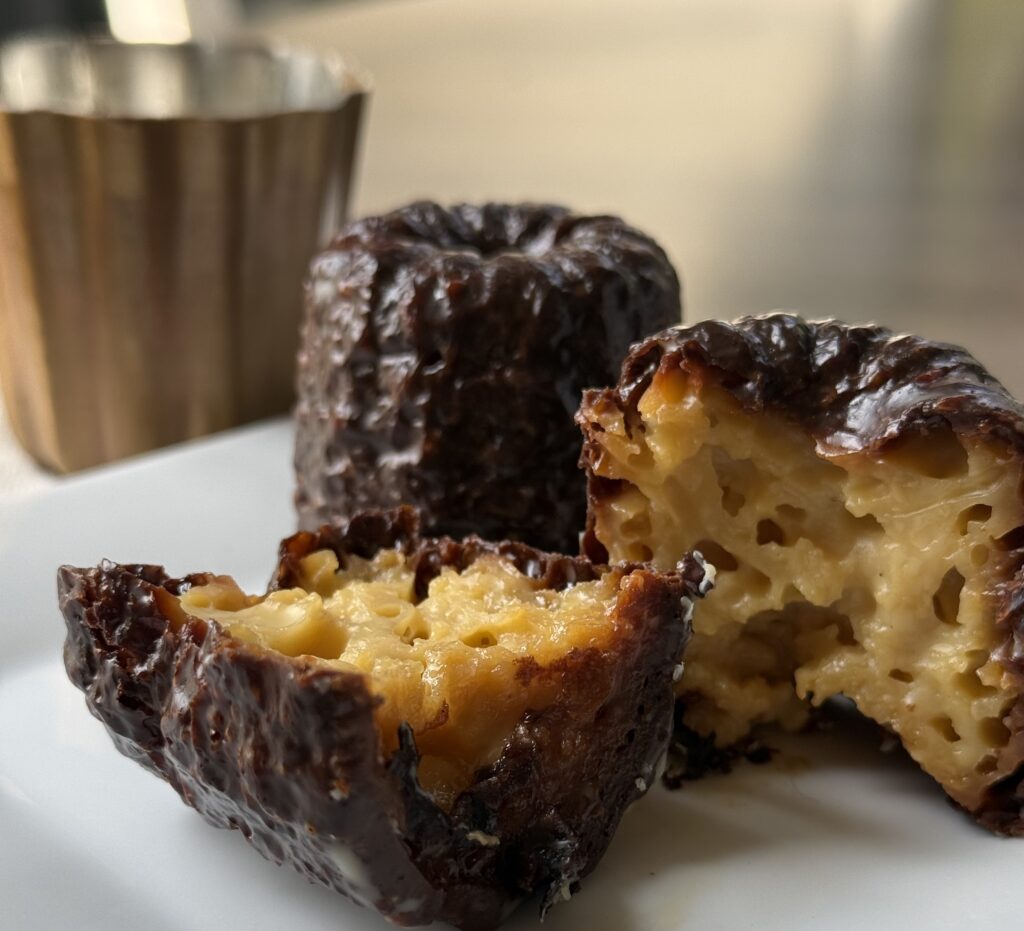
I still remember my first canelé in Paris in 2019. One bite and it immediately became one of my favorite French pastries. I had never had anything quite like it. The outside was deeply caramelized and crisp, while the center was soft, rich, and almost custard-like.
When I returned to Paris in 2024, I had one item on my shopping list and knew exactly where to find it. As a fan of Julia Child, visiting E. Dehillerin had been on my Paris list for years. The legendary cookware shop supplied generations of French chefs and was one of Julia Child’s favorite places to shop while she lived in Paris.
Walking through the store feels like stepping back in time. Copper pots hang from the ceiling, shelves are packed with baking molds and professional kitchen tools, and it is easy to understand why cooks from around the world make a point of visiting. While wandering through the aisles, I found myself holding four traditional copper canelé molds. I left with them tucked safely into my suitcase, convinced I would be baking canelés as soon as I got home.
Instead, those molds sat in a kitchen cabinet for nearly two years. Not because I forgot about them, but because canelés have a reputation for being deceptively simple. The ingredient list is short, but the technique is anything but. Every recipe seemed to have a different opinion about the proper baking temperature, whether to use beeswax or butter to prepare the molds, how long the batter should rest, and countless other details that promised to make the difference between success and disappointment.
After reading more recipes than I care to admit, I finally found one from a baker who had clearly spent years testing the process. What convinced me was not simply the recipe itself, but the amount of research behind it. Every step was explained, from preparing the copper molds to resting the batter, making it feel less like following instructions and more like understanding why each part of the process mattered.
I followed Victor’s traditional canelé recipe in Taste of Artisan, which includes detailed instructions for both the batter and the preparation of traditional copper molds. Rather than recreate the recipe here, I’ve linked because my goal wasn’t to develop a new canelé recipe. It was to finally use the molds I carried home from Paris and recreate one of my favorite French pastries.
So I stopped researching and finally started baking. I quickly discovered that buying the molds had been the easy part. Before I could bake my first canelé, I had to learn one of the pastry’s oldest traditions: coating each copper mold with a thin layer of melted beeswax and butter. That delicate coating is what creates the beautifully caramelized crust that makes a canelé instantly recognizable.
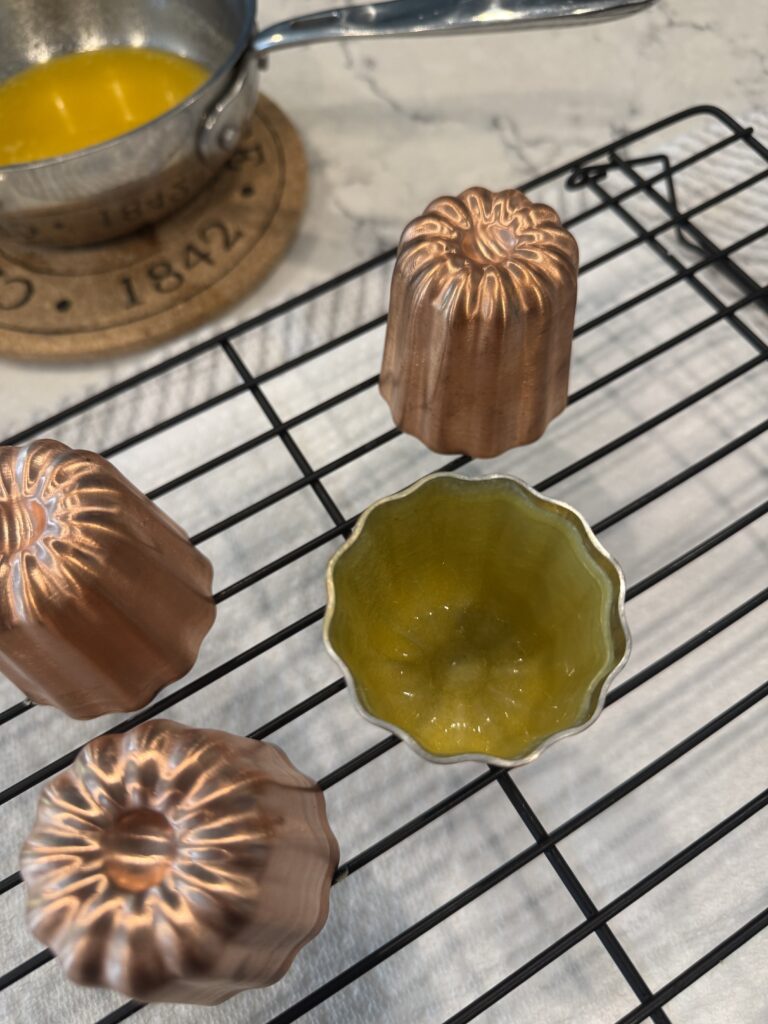
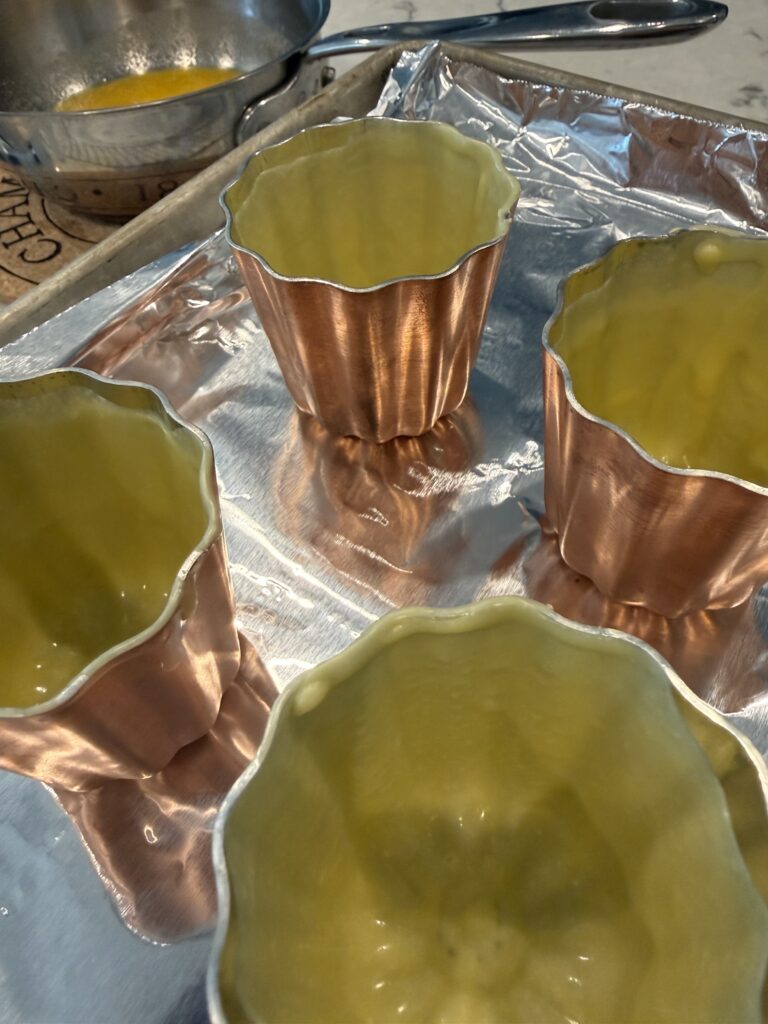
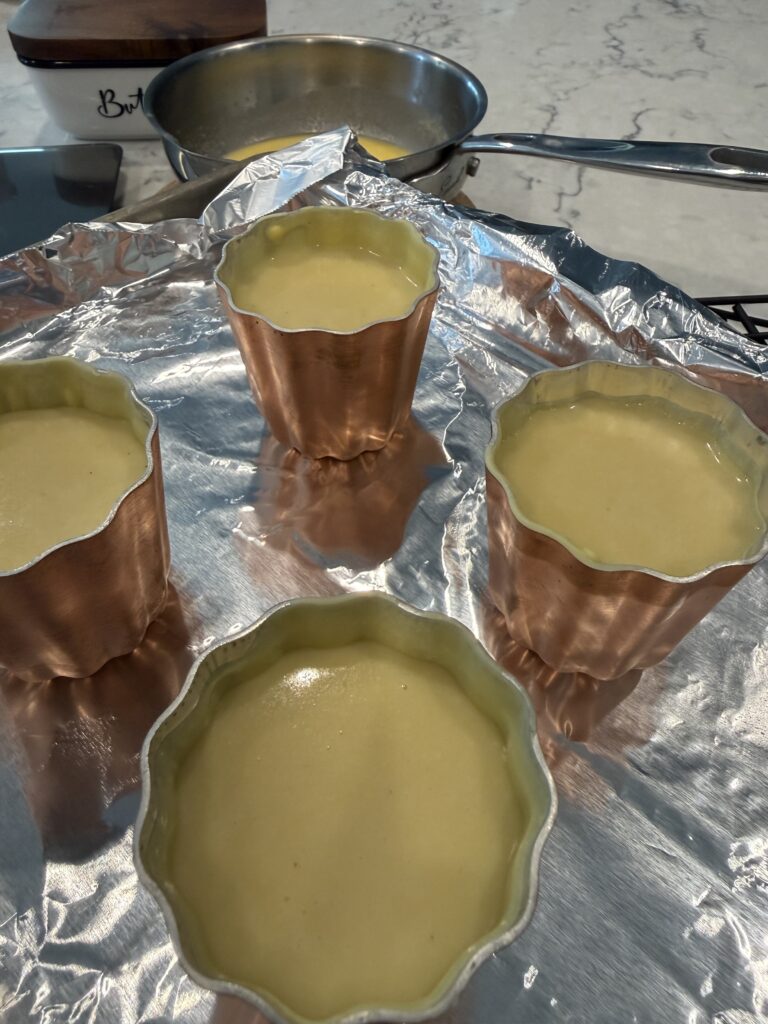
The batter rested for more than 24 hours, each mold had to be carefully prepared, and there was plenty of anticipation as the first batch baked. When the timer finally went off, I could only hope all of that preparation had been worth it.
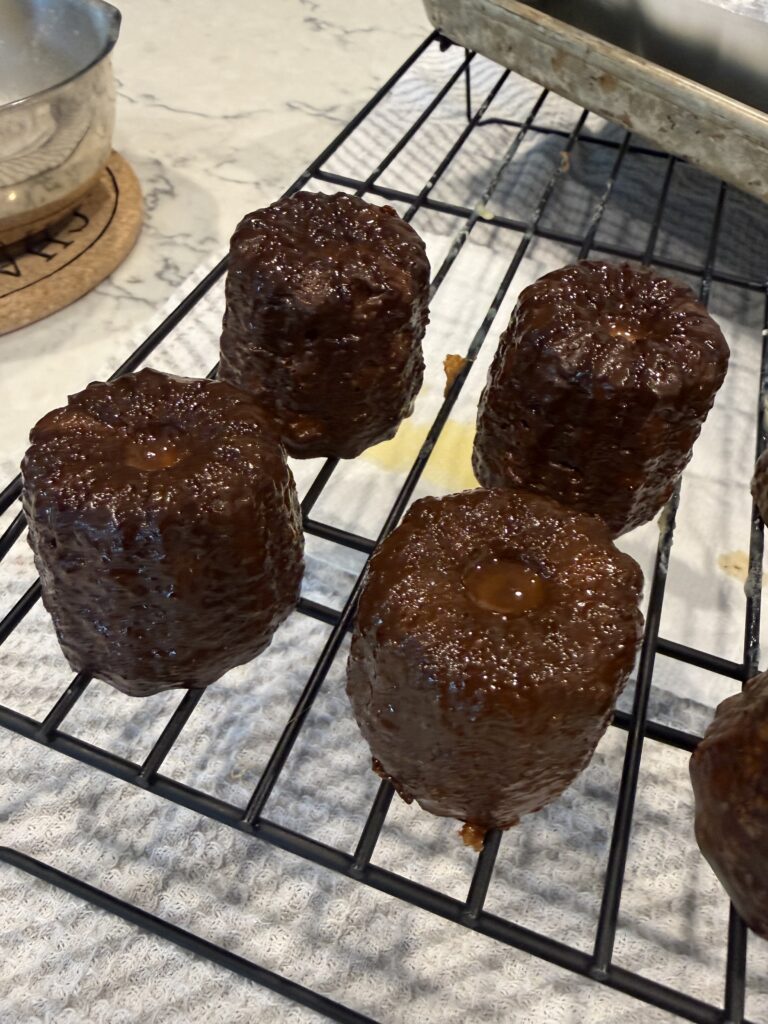
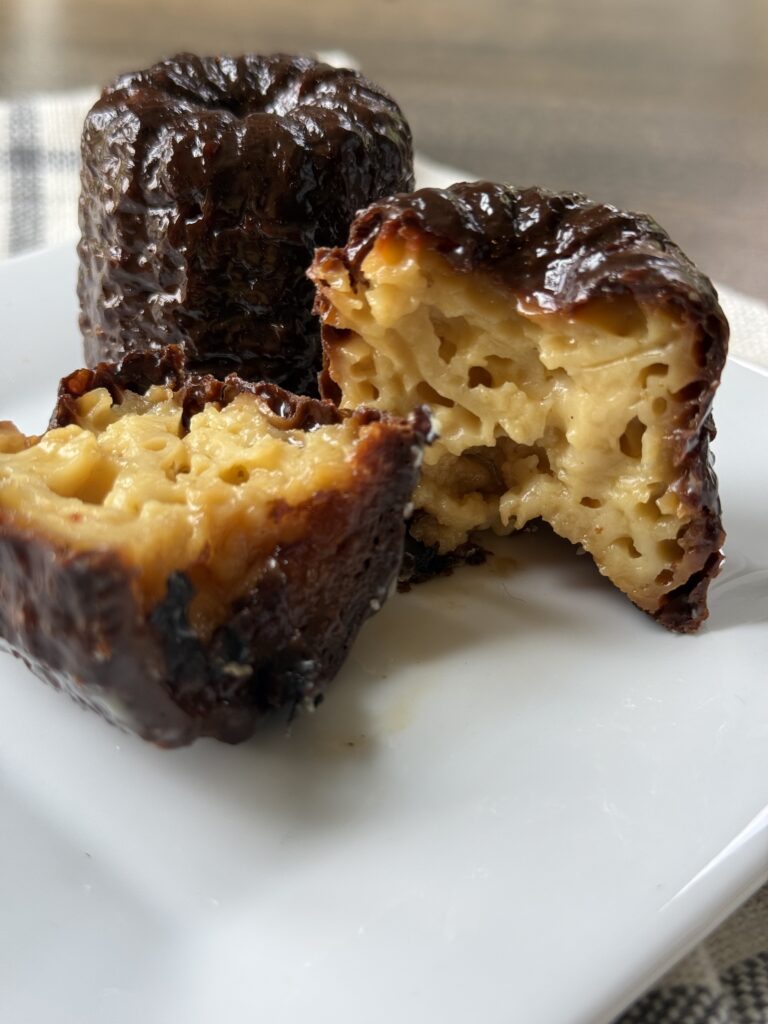
As the canelés cooled, I turned one over and admired its dark, deeply caramelized exterior. Then came the real test. The crisp shell cracked as I cut into it, revealing the soft, custardy center I had been hoping for. That first bite immediately transported me back to Paris and reminded me exactly why I had been so determined to make them. Were they exactly like the canelés I remember from France? Probably not. Like most French pastries, I suspect they reward practice and patience. But they came remarkably close, and for a first attempt, I couldn’t have been happier.
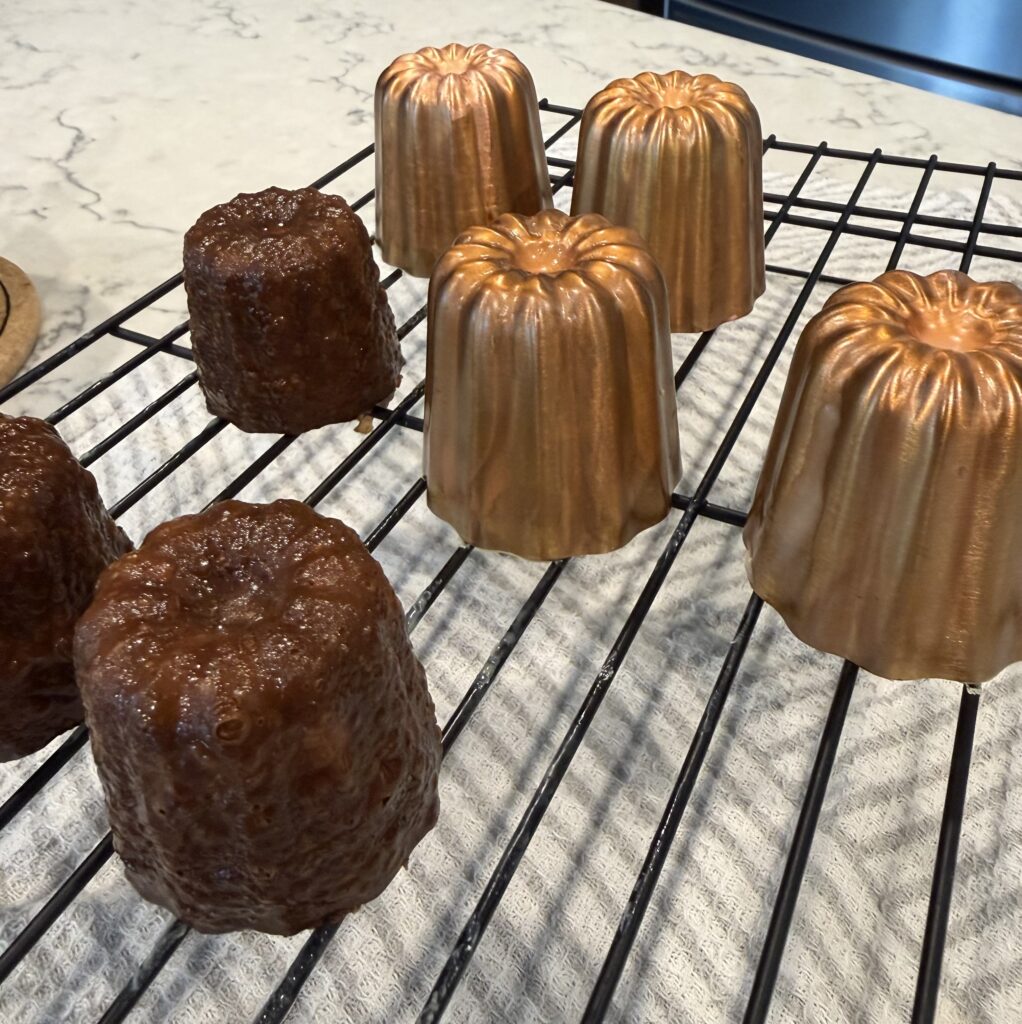
Looking back, those four copper molds turned out to be much more than souvenirs. They were a promise to myself that one day I would learn to make one of my favorite French pastries. It took a little longer than I expected, but I finally kept that promise. I’ll be back in Paris later this year, and I have a feeling E. Dehillerin will once again be on my itinerary. Maybe I’ll come home with four more copper molds. Maybe another piece of French cookware will catch my eye.
Either way, this time it won’t sit in my cabinet for two years.
If you enjoy traveling through food, here are a few more stories you might like:
🇫🇷 More France Stories
Explore my travels through France, from Normandy to Paris and beyond
🇮🇸 Recreating Iceland’s Famous Cinnamon Rolls at Home
How a bakery in Reykjavík inspired one of my favorite baking projects.
Get Travel Stories as They Unfold
Get new travel stories, memorable meals, and practical tips delivered when there’s something worth sharing.