How to Plan Your Amalfi Coast Trip: Tips You Need to Know
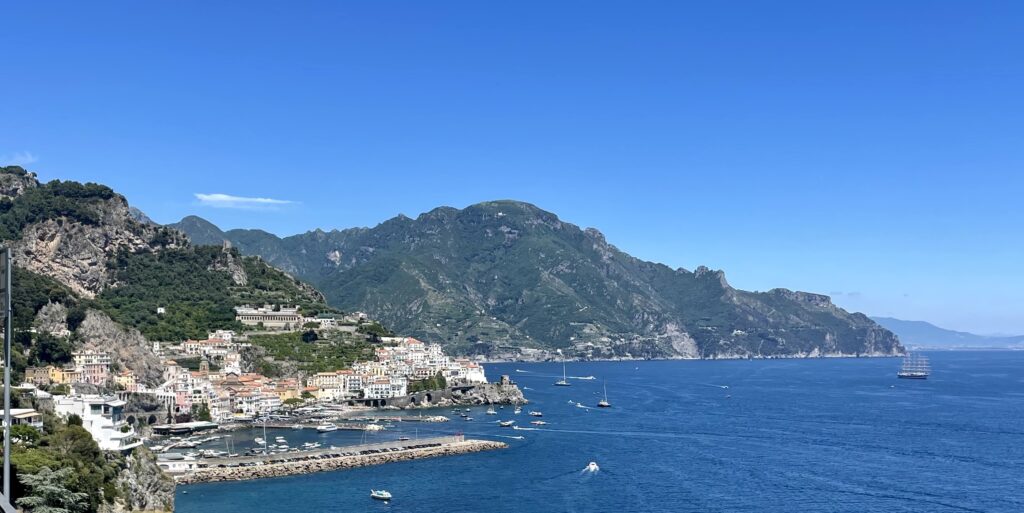
When starting to plan an Amalfi Coast trip, you’ll quickly realize that this dream destination comes with some unique challenges. From when to go, to where to stay, to how to get around, here’s everything you need to know to plan smoothly.
If you read my trip review, The Amalfi Coast: Sun, Sea & A Taste of Heaven, then you know it took me a while to make the trip happen, and despite the research, there were some things I wish I had known about, and will do differently when I return. In the meantime, from when to go to how to get around, here are my top tips to make your Amalfi adventure smooth and unforgettable.
1. Best Time to Visit the Amalfi Coast
- High season (June–August): warm, lively, but crowded and expensive.
- Shoulder season (May, September, early October): ideal balance of good weather and fewer crowds. I have heard that the weather can be iffy and sometimes the ferries don’t operate. But with flexibility on your schedule, I still think it’s the ideal time to visit.
- Winter (November–March): quieter and cheaper, but some restaurants and hotels close, especially on the coast. You may find some places open in Salerno and Sorrento, but the Amalfi Coast hibernates in the winter.
👉 My pick: September — perfect weather and slightly calmer streets. I was bound by the school calendar when I traveled to the Amalfi Coast, and traveled in the summer. When I return I will likely go in September, once the European school holidays are over.
2. Where to Stay: Amalfi Coast vs. Salerno vs. Sorrento
- On the Amalfi Coast (Positano, Amalfi, Ravello): These towns are famous for a reason — stunning views, luxury hotels, and picture-perfect streets. But they come with a premium price tag and, in many cases, lots of stairs.
- Smaller towns (Praiano, Atrani): Don’t overlook the “in-between” towns. I stayed in Praiano and loved it. It doesn’t have direct ferry access, which turns some people away, but for me, that meant it was quieter, more authentic, and still easy to navigate by bus or car service. I also had an Airbnb, which gave me the flexibility to relax in a space that felt like home. The highlight? Hiring a private chef for the night — a dream experience I’ll never forget. I also had a friend and blog reader stay in Atrani, which is tiny, charming, and full of character. The best part is that it’s just a 15-minute walk to Amalfi, where ferries connect you to the rest of the coast. Atrani offered her that balance of peacefulness and accessibility.
- Salerno: A larger, more affordable base, with excellent train connections and ferry service. Ideal if you’re cost-conscious or arriving directly by train from Rome.
- Sorrento: Not technically on the Amalfi Coast, but very popular as a base thanks to its hotel options, train station (to Naples), and ferry connections. It’s busier and less romantic than staying directly on the coast, but it can be a good choice for logistics.
👉 My advice: If your budget allows, stay a night or two on the coast itself — even if it’s in a smaller town like Praiano or Atrani — to experience the magic. Then, if you’re extending your trip, consider Salerno or Sorrento as practical hubs.
Next time I will, however, do a bit more research on the stairs situation! The climb from the AirBnB to the road was at least 100 steps, which adds up and makes you question whether you really want to go to dinner after spending an entire day out and about. And I will definitely stay in Ravello for a couple of days. I can just imagine how peaceful and beautiful it is, tucked up high above Amalfi, after the day trippers leave town.
3. Getting There: Planes, Trains, and Ferries
- Fly into Naples if you’re coming from abroad. Once you reach Naples you have a few options to get to your destination – taxi to your hotel or the ferry terminal, or a private driver (my choice) to get you to your destination. After a day of travel and luggage, this was the absolute best.
- From Rome, take the train (1–2 hours) to Naples or Salerno, then transfer by ferry, private driver, or bus.
- Avoid renting a car. Roads are narrow, traffic is stressful, and parking is limited and expensive. Ferries and buses are much easier (and you get sea views from the ferry!). Over the course of a week, I saw many drivers get into a staring contest with the bus drivers, and believe me, the bus was not backing out of their spot.
👉 My pic – Amalfi Coast Driver
4. Budget: What It Really Costs
The Amalfi Coast can be expensive, but you can plan around your budget:
- Hotels on the coast: $$$$
- Hotels in Salerno/Sorrento: $$
- Meals: expect higher prices in Positano/Amalfi vs. local trattorias inland.
- Transportation: ferries are scenic but add up; buses are cheaper but slower.
This is one of those where you can pick and choose what is most valuable to you and match your budget. My perspective on lodging is that it needs to be clean and safe; after all I am not spending much time in the room or AirBnB.
The cost structure for AirBnBs follows that of hotels. I had about 20 of them pinned at one point and there was a significant cost difference between Amalfi or Positano and Praiano.
I would also say that I had narrowed down to about 12 AirBnBs in my Amalfi travel planner within the app, and over the course of 12 hours, 8 of them were taken, so I moved fast. As a way of reference, I booked in August for early June travel, so almost a year.
👉 Tip: Splurge on one unforgettable meal with a view, but balance it with simple local bites (you won’t regret the pizza!).
5. The Reality of the Stairs
One thing guidebooks don’t emphasize enough: the stairs are endless. Almost every walk involves climbing — with luggage, groceries, or gelato in hand. Pack light and bring comfortable walking shoes. Staying high up means better views, but more stairs daily.
Conclusion
Planning for the Amalfi Coast is part dream, part logistics. Choosing the right season, knowing where to stay, and preparing for stairs will make the difference between frustration and joy. With some smart planning, you can spend more time soaking in the beauty — and less time struggling with traffic or luggage.
✨ My biggest tip: pack light, wear comfy shoes, and let the coast set the pace.
Get Travel Stories as They Unfold
Get new travel stories, memorable meals, and practical tips delivered when there’s something worth sharing.